
What Is Lipis Geopark?
Lipis Geopark is a regional geopark initiative in Pahang that highlights areas of exceptional geological, ecological, and cultural heritage.
Geosites within the geopark are carefully selected based on five key criteria:
Geological Uniqueness
Rare or distinctive formations
Scientific Value
Research and educational importance
Educational Importance
Public learning opportunities
Landscape Beauty
Visual and aesthetic appeal
Community Involvement
Local stewardship and participation
Geoparks promote sustainable development through geoconservation, geoeducation, and geotourism.
Why Gua Bama Is a Main Geosite
Gua Bama fulfills all five geopark criteria, making it a flagship representative of Lipis Geopark's limestone heritage:
✓ Geological Uniqueness
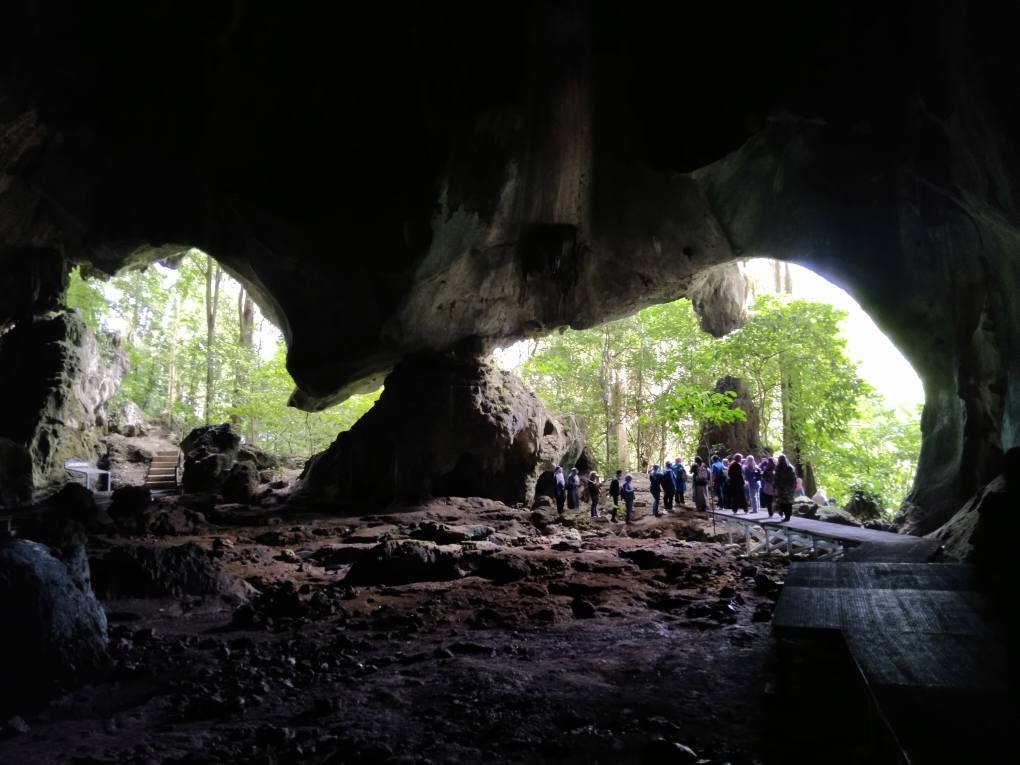
Limestone formation from the Permian–Triassic period (250-300 million years ago) displaying thick-bedded carbonate layers and classic karst development.
✓ Scientific Value
Contains visible geological layers, cave chamber systems, speleothem formations, and fossil-bearing rock sections valuable for geological research.
✓ Educational Importance
Serves as an accessible outdoor classroom for schools, universities, and public education programs about karst geology and cave ecosystems.
✓ Landscape Beauty
Dramatic limestone outcrop rising from rainforest, visible from Central Spine Road, offering panoramic valley views from the summit.
✓ Community Involvement
Actively maintained by local community in Kampung Relong, supporting community-based eco-tourism and rural economic development.
Result: Gua Bama is not just a geosite — it is one of the main geosites representing Lipis Geopark's identity and geological narrative.
Geological Significance
The limestone at Gua Bama formed approximately 250–300 million years ago during an era when shallow tropical seas covered much of what is now Malaysia.
Over geological time, these marine sediments transformed into thick limestone layers through compression, heat, and chemical processes.
What You Can Observe at Gua Bama:
Carbonate Rock Layering
Visible bedding planes showing depositional history
Karst Weathering Processes
Dissolution patterns created by water and carbon dioxide
Cave Chamber Development
Natural hollowing through underground water flow
Speleothem Formation
Mineral deposits forming cave decorations
Educational Value: Gua Bama serves as a natural laboratory where geological processes can be directly observed and interpreted.
Educational Importance
Schools, universities, and research institutions visit Gua Bama for:
Field Studies
Hands-on geological and ecological observation
Eco-Education Programs
Environmental awareness and conservation training
Geotourism Programs
Guided geological interpretation for visitors
Cave Ecosystem Studies
Understanding biodiversity in limestone environments
By making geology accessible to the public, Gua Bama helps foster appreciation for Earth's history and the importance of geoconservation.
Sustainable Tourism Impact
By promoting guided visits and responsible tourism practices, Gua Bama contributes to:
Rural Economic Development
Tourism revenue supports local livelihoods in Kampung Relong and surrounding communities through guiding services, accommodation, and local businesses.
Conservation Awareness
Visitor education programs raise awareness about protecting fragile limestone ecosystems and cave environments.
Geopark Branding
As a flagship geosite, Gua Bama helps establish Lipis Geopark's regional and international recognition as a geological heritage destination.
Community Pride
Local involvement in geosite management builds community ownership and pride in their geological heritage.
This is sustainable rural tourism in motion — where geology, community, and conservation work together.
Conclusion: More Than Just a Cave
Gua Bama is not just a limestone cave you can visit on a weekend trip.
It is a flagship limestone geosite representing Lipis Geopark's identity and geological narrative.
It embodies the principles of geoconservation, geoeducation, and geotourism — demonstrating how natural heritage can be protected, understood, and shared responsibly.